There is a paradigm shift in the real estate sector. In the times when the square footage and the location were the top considerations when purchasing a home, our current discriminating consumers have purchased houses through a whole new prism: How will this house help me sustain my health, happiness, and quality of life? This paradigm shift has elevated wellness living from niche luxury to mainstream expectation, fundamentally redefining what constitutes desirable residential property. Understanding this evolution reveals why wellness real estate now represents not just a trend but the inevitable future of premium housing.
The health crisis on a global scale only made the movement to health-aware lifestyles go faster and forced ten years of gradual transformation into months of desperate rebalancing. The shortcomings of the traditional residential design became impossible to overlook as families were locked down and forced to spend all their time at home. Ventilation issues, the lack of access to natural light, the inability to access outdoors, and the lack of specialized wellness areas turned homes into a place of stress.
This was an experience that has changed the buying priorities forever. Most luxury home buyers are no longer viewing health and wellness features as optional. Air quality, light optimization, fitness facilities, and biophilic design have become a premium addition, which has become an essential requirement. The question was no longer whether this property includes wellness features or not. To "What extent of my wellbeing is supported by this property?
Wellness homes command premium pricing, but sophisticated buyers recognize they deliver superior return on investment across multiple dimensions. In pure financial terms, buildings with wellness certification are better appreciated and yield higher rents than ordinary luxury projects. The buildings certified by WELL and LEED are invariably resold at high rates as compared to similar non-certified buildings.
The stronger returns, however, are expressed in health economics. Residential design incorporates preventive health care that lowers the healthcare costs over time and improves productivity and life span. The decades-long compounding of physical health and mental clarity gives you a far greater payoff than standard returns on investments when your own home is aggressively engaged in their promotion. Happy living isn't just emotionally satisfying but financially prudent.
Modern wellness real estate begins with uncompromising environmental standards. The high-technology air purification systems that screen particulates, allergens, and volatile organic compounds make indoor spaces that assist but do not abet respiratory wellness. Multi-stage water filtration guarantees purity, which cannot be ensured by the municipal system. These characteristics deal with the most basic needs of human wellbeing, the air we breathe and the water we drink.
Living conditions are further optimized by means of temperature control, humidity, and acoustic management. Properties incorporating smart environmental monitoring systems that continuously track and adjust these parameters represent the current standard in wellness living. There is a growing demand by buyers to have homes that do not need constant manual adjustments to keep the homes in the best possible condition.
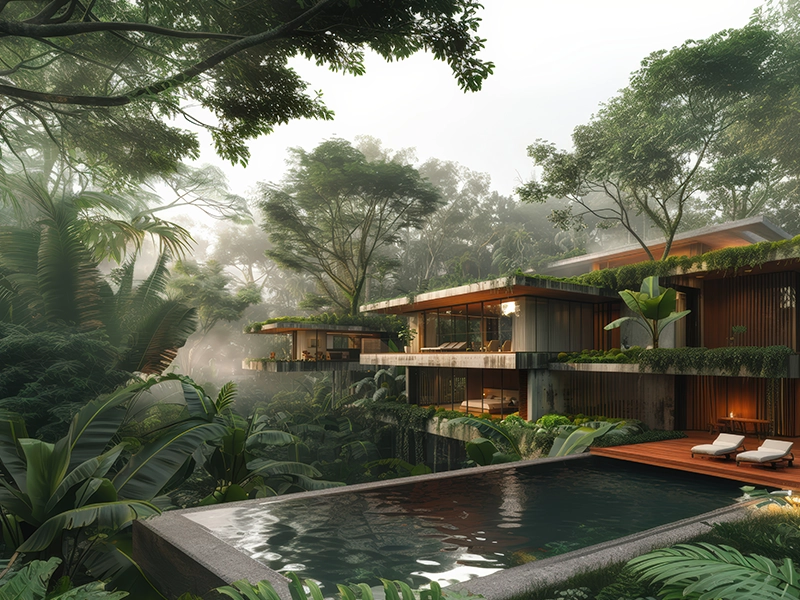
The inclusion of nature in architectural design has moved from aesthetic to a known health need. Studies have always shown that a visual and physical association with elements of nature lowers stress hormones, improves cognitive abilities, and emotional control. Wellness homes incorporate extensive greenery, natural materials, and design elements that foster a constant nature connection.
This is not restricted to potted plants, to extensive biophilic designs: living walls, indoor gardens, water, and views of landscaping as much as possible. Homes built following these concepts produce psychological value, which inhabitants enjoy on a day-to-day basis, and abstract ideas of wellness are turned into a quality of life enhancement.
The most sophisticated wellness real estate seamlessly integrates technology that supports The most sophisticated wellness real estate integrates technology that supports health without creating additional complexity. The intersection of wellness and innovation is seen in the smart home systems that save power by automatically turning off lights during circadian lows and highs, checking air quality in real-time, and offering health tracking features. These technologies are invisible and able to boost wellbeing without the need to address them all the time.

Nevertheless, considerate wellness design is also aware of the necessity of digital detox. Properties incorporating dedicated technology-free zones, meditation spaces, and areas designed for disconnection acknowledge that true wellness living requires balance between connectivity and retreat.
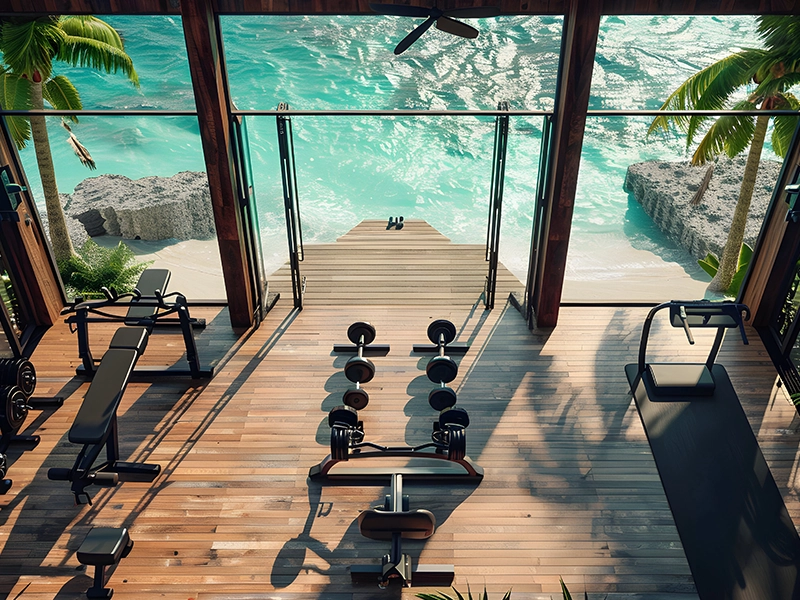
Individual unit features matter, but comprehensive wellness homes exist within broader ecosystems that support healthy lifestyles. Availability of fitness centers, yoga halls, swimming pools, walking tracks, and outdoor recreational areas converts wellness from a single endeavor to a culture. Facilities that provide professional wellness programs, nutritional education, and activities led by a professional increase the value of physical facilities with organized assistance.
This community aspect deals with the social wellness aspect that is usually ignored. The events that are planned to encourage bonding between the health-conscious citizens form support networks that improve personal wellness activities as well as develop a sense of belonging and purpose.
According to the existing market statistics, wellness-certified real estate attracts a high price difference compared with similar conventional developments. More importantly, such properties show a high level of price stability in a down-market and fast growth in an up-market. Due to the growing awareness of wellness among non-early adopters, the demand and supply of these properties increase at a higher rate, but the supply is limited.
This dynamic positions wellness real estate as both a lifestyle choice and a strategic investment. Homes with wellness elements attract a growing range of buyers, including young professionals who care about their health to their families, searching for the best environments to raise their children, to retirees who want to age well. This wide market will generate a long-term demand that will sustain an increase in value.
Sustainability and health are standards that are becoming mandatory in government programs and building codes that were once optional. This change in regulations will hasten the mainstreaming of wellness features, and certified developments will have more worth because compliance will be mandatory and not voluntary. The property that is already up to date or even higher than these emerging standards places the owners in a better position in the forthcoming market conditions.
Trehan IRIS in Sector 80, Gurugram, can be discussed as an example of the wellness real estate development that is a clear-cut case study when studying the developments of that sort. This venture is not a simple reaction to the trends of wellness but a proactive leader of holistic strategies of a health-oriented lifestyle. The development's LEED-enabled WELL certification demonstrates a commitment to meeting rigorous, scientifically validated wellness standards that define premium wellness living.
The infrastructure of the environmental quality creates its framework: the air and water purification systems of gold standards can guarantee that the basic factors subservient to life are of the highest quality. This isn't superficial wellness marketing but structural health infrastructure delivering measurable benefits daily to residents of these ultra luxury apartments in Gurgaon.
There is an advanced knowledge of the impact of the environment on well-being revealed by the biophilic approach of Trehan IRIS. The landscaping, natural light optimization, and open space planning ensure that elements of nature are in constant touch with the development. This design philosophy transforms wellness home concepts into lived daily experiences that support happy living naturally and effortlessly.
The active design of the development, such as special yoga areas, full-fledged fitness centers, swimming pools, and well-planned walking paths, eliminates the obstacles to a physical exercise routine. With this infrastructure, wellness intentions are converted into sustainable lifestyle patterns by making healthy decisions convenient and desirable.
What distinguishes Trehan IRIS among luxury homes in Gurgaon is the integration of professional wellness support. Structured wellness infrastructural benefits are gained by curating programs conducted by renowned experts who provide residents with structured guidance. Such a blend of physical amenities and professional programming forms a complete wellness ecosystem that is not common even in the high-end developments.
The farm-to-fork nutrition program is an example of creative wellness thinking. Twining local with fresh produce, Trehan IRIS helps to tackle nutritional wellness practically, by ensuring that healthy eating becomes a reality and not a dream.
The Platinum Green Rating and overall sustainability activities of Trehan IRIS show that the wellness of the planet and individuals cannot be separated. Latency of energy and minimization of waste, and reduction of carbon footprint make conscious living unnecessary. This alignment positions these luxury homes in Gurgaon advantageously, as environmental considerations increasingly influence property valuations.
Sector 80 Gurugram is advantageous in a manner that enhances the internal wellness features of Trehan IRIS. The site offers the city and the comparative serenity of the urban proximity, as well as access to high-quality healthcare, fitness options, and food options, and gives a person a break from the overpopulated cities. This scenario establishes a holistic wellness ecosystem that goes further than the property boundaries.
The elevation of wellness living to real estate standards represents an inevitable evolution rather than a passing trend. With the rise in health consciousness and the understanding of the significant effect of the environment on quality of life, residential markets that include extensive wellness services will become more and more characteristic of the high-end segments. Growths such as Trehan IRIS that fully adopt this change place the residents at a better position to enjoy not only the short-term benefits of a new lifestyle, but also the long-term value gain.
The question that discriminating buyers would ask is not whether or not wellness is important, but what properties actually provide the full benefits of wellness. In ultra luxury apartments in Gurgaon, the wellness standard has arrived. Homes that qualify by this criteria are the future of residential excellence, where luxury not only implies having refined finishes but also creating a place where human beings can thrive. This is wellness real estate at its finest: homes that enhance not just where you live, but how fully you live.
 Reference image